
Why IAPHS Is THE Cool Conference and What I Learned This Year in Portland
Dominique Dyer
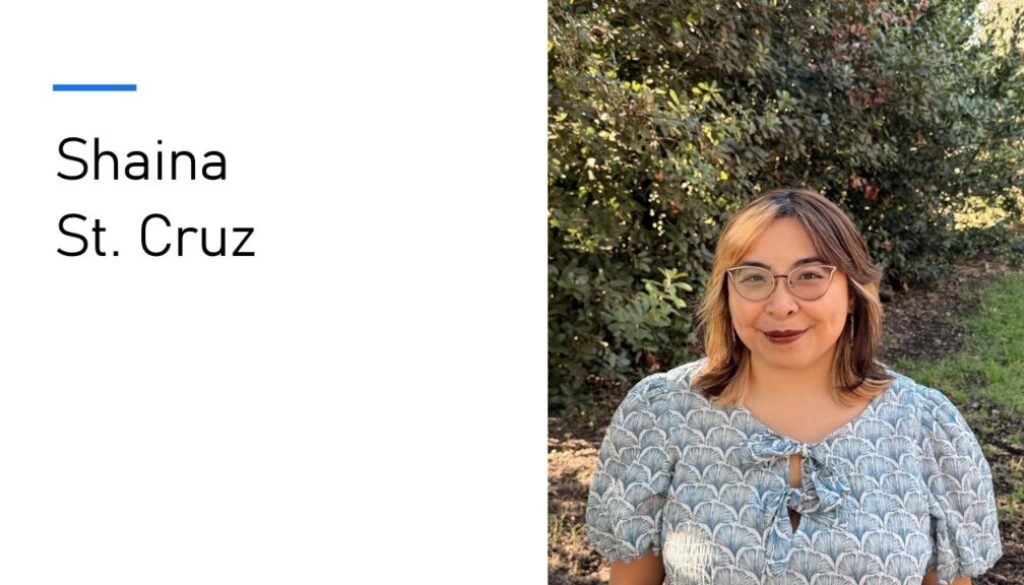
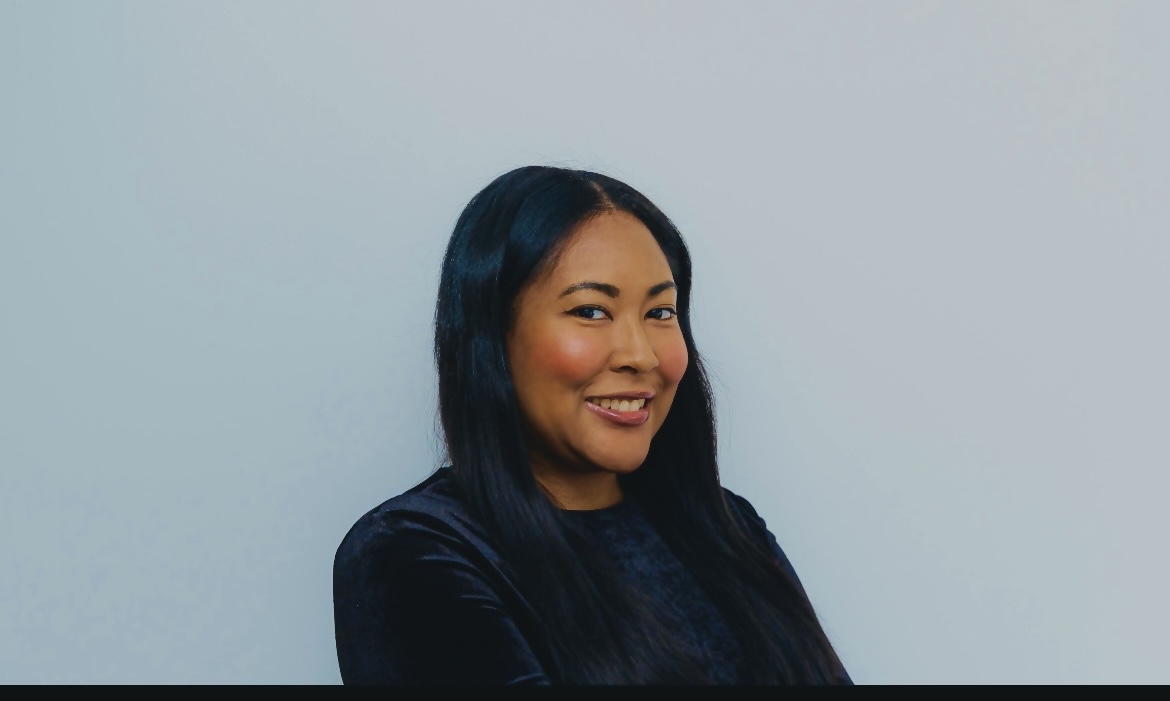
Shaina Sta. Cruz, postdoctoral scholar at the UC Davis Centers for Violence Prevention, talked with Dominique Dyer about her experiences at IAPHS conferences.
What brought you to IAPHS?
I first heard about IAPHS during graduate school. I was just starting out in my Public Health PhD program, learning about social epidemiology, health equity, and community organizing. A mentor had told me that IAPHS was the cool conference — and they were right.
Compared to larger conferences, IAPHS shines in its accessibility and sense of community: it’s a smaller, more intimate space where folks interested in championing health equity, social justice, and population health can come together and talk about their work. Methodologically, it’s incredibly diverse — and I would describe it as home to multiple disciplines, approaches, and institutions, all connected by threads of health equity and justice. I’ve since joined the Health and Social Justice Committee, where I’ve had the opportunity to collaborate with friends and colleagues on events that weave these threads into practice.
I came because I heard it was cool. I stayed for my community.
What did you hope to gain from the conference?
As a postdoc, I’m thinking a lot about the kind of researcher and colleague I want to become. I study violence prevention and health equity, with a particular interest in how social structures, institutions, and policies shape our experiences of safety and well-being. But I’m also interested in what we can do with that knowledge. How can research help communities build safer environments? How can we move beyond documenting inequities toward supporting meaningful change and the people and orgs working toward it?
I was especially excited about this conference’s theme, Reimagining Population Health Science to Build Trust and Influence. There’s something incredibly powerful and beautiful about reimagining science — how we conduct research, how we engage with our communities, how we relate to each other. But turning that vision into action is also a massive undertaking. It’s going to take the insight and expertise of community members, practitioners, educators, and researchers across different disciplines, methods, and approaches. I especially looked forward to connecting with the larger IAPHS community at our Health and Social Justice Committee breakfast, where we were able to bring some of these conversations into a more informal, warm space. I came hoping to find inspiration, new perspectives, and opportunities to connect with folks whose work challenges me to think differently about my own.
What were you most looking forward to?
This year, I came to IAPHS repping my research team and the Health and Social Justice Committee!
During the poster session, I had the opportunity to present work from the Hood 2 Woods study, which I’ve worked on with my mentor, Dr. David Rebanal, and our research team. I was excited to share how we centered BIPOC youth as co-investigators and applied intentional trust-building and decolonizing practices, such as healing justice coaching circles and participatory dissemination. Our work reminds me that rebuilding trust requires accountability, mutual care, and active efforts to share power and decision-making with communities.
I was also looking forward to our Health and Social Justice Committee’s session on “Beyond the Master’s Tools: Social Justice Methodology for Population Health Research”, which showcased creative, critical, justice-centered approaches to population health research. That session served as a call to action — to rethink whose knowledge counts, how we produce it, and whom our research actually serves. It was such a cool experience to help shape our conference and our community alongside friends and colleagues I admire.
This has been the most fun I’ve had at IAPHS, and we’re already dreaming up what to do for next year.
IAPHS creates a space where we can ask critical questions of the field and of ourselves. It’s a place where we can challenge our assumptions and — humbly, vulnerably, in spurts and sometimes all at once — grow. I know I am braver because of my friends here, and I’m learning all the time.
Why does a conference like this matter for the field?
One thing I love about IAPHS is how it encourages us to take risks and imagine different possibilities for population health science. Like I said, I’m currently a postdoc, and a lot of my friends at IAPHS are students, post-docs, and early career professionals. I’m telling you, at the starting line, it is striking to hear and learn from colleagues further along in their career — innovative researchers and practitioners who challenge conventional approaches and ask difficult questions of how we conduct research: Am I doing right by the communities I serve, and what does that actually look like in action? Am I practicing equity not only in my research, but also in my day-to-day relationships as a mentor and colleague? Am I actively challenging the ways I’ve been taught to do this work and operate within these systems, and how am I going to do things differently moving forward?
IAPHS creates a space where we can ask critical questions of the field and of ourselves. It’s a place where we can challenge our assumptions and — humbly, vulnerably, in spurts and sometimes all at once — grow. I know I am braver because of my friends here, and I’m learning all the time.
I believe we can learn new ways of being population health scientists. We can still surprise ourselves.
What is one takeaway / highlight from the conference?
My biggest takeaway is that there are, genuinely, so many different and effective ways of knowing, communicating, and connecting in our field. Our work can be rigorous and thoughtful, while also being warm, creative, and authentic.
I loved attending the poetry workshop and, later in the week, Stats & Stanzas: Poetry for the People’s Health! Both experiences demonstrated how art can be transformative and empowering by highlighting what connects us and heals us — experiences that traditional scientific approaches don’t fully capture and can even erase, particularly for marginalized communities. I also loved learning from the Health and Power Organizing Project (HPOP), whose members welcomed me into their space and shared their efforts to bring community organizing and collective action into public health education. It reminded me that our work doesn’t stop at creating knowledge — we can organize to put it into action!
I believe we can learn new ways of being population health scientists. We can still surprise ourselves.
All comments will be reviewed and posted if substantive and of general interest to IAPHS readers.