

Share Your Win: Briana Mezuk Will Trace Pathways of Risk for Cognitive Decline and Dementia
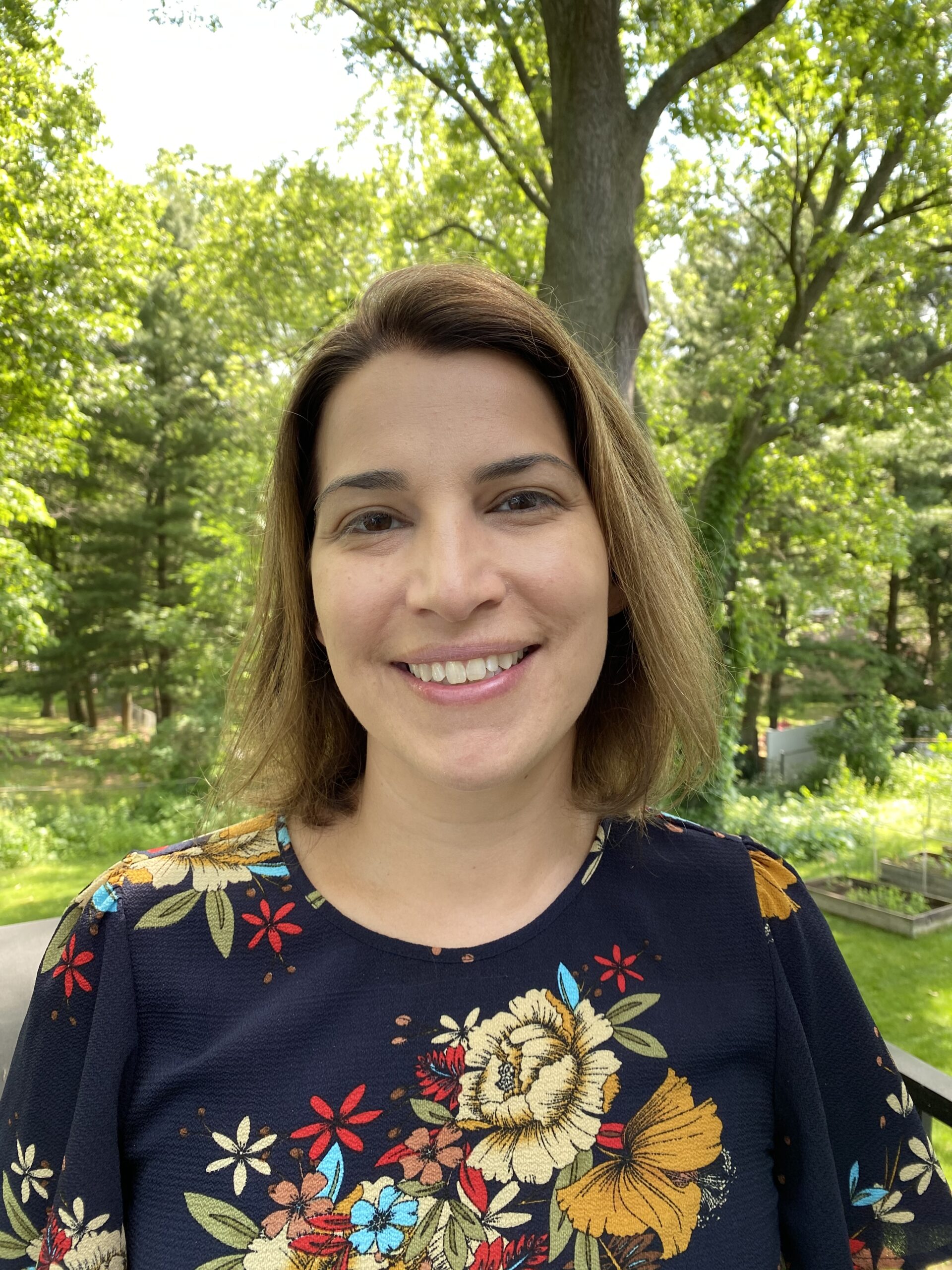
Briana MezukThink back 25 years, to 2001: Where were you living, what were you doing, and what was going on in your life at that time? This isn’t just a trip down memory lane: scientific research is increasingly demonstrating that the answers to these types of questions shape mental and physical health as people age.
The goal of this re-instated project is to follow-up with respondents in the National Survey of American Life (NSAL), who were first interviewed in 2001. The NSAL remains the most comprehensive health survey of Black Americans ever conducted. In this follow-up study, we aim to collect psychological, social, and — for the first time with this cohort — biological data to understand pathways of pathways of risk or resilience for cognitive decline and dementia. This project is an exemplar of interdisciplinary team science, and the NSAL has served as a “laboratory” for the development of hundreds of early-career scientists — we hope this follow-up will continue this legacy.
Why does this work matter right now?
Dementia affects Black Americans twice as much as any other group, and the cost of dementia is staggering at $400 billion annually just in Medicare/Medicaid bills. Currently there is no cure for dementia, and therefore research needs to focus on identifying how, when, and where to invest in prevention. Such prevention of dementia will require efforts that begin years, if not decades, before symptoms begin. Well-characterized longitudinal cohorts provide a critical source of data for identifying novel targets for prevention, and in order to ensure those prevention efforts reach the groups most impacted by dementia, those cohorts need to be diverse and representative of all Americans.
Funder: National Institute of Aging
Funding Amount: $13 million direct ($21 million total)

All comments will be reviewed and posted if substantive and of general interest to IAPHS readers.