

Congratulations to our 2026 IAPHS Award Winners
IAPHS Staff
We’re excited to announce our 2026 IAPHS Award winners.
Awardees will be honored at our conference September 29 – October 2, 2026.
Congratulations to everyone!
J. Michael McGinnis Leadership Excellence Award
Paula Lantz
University of Michigan
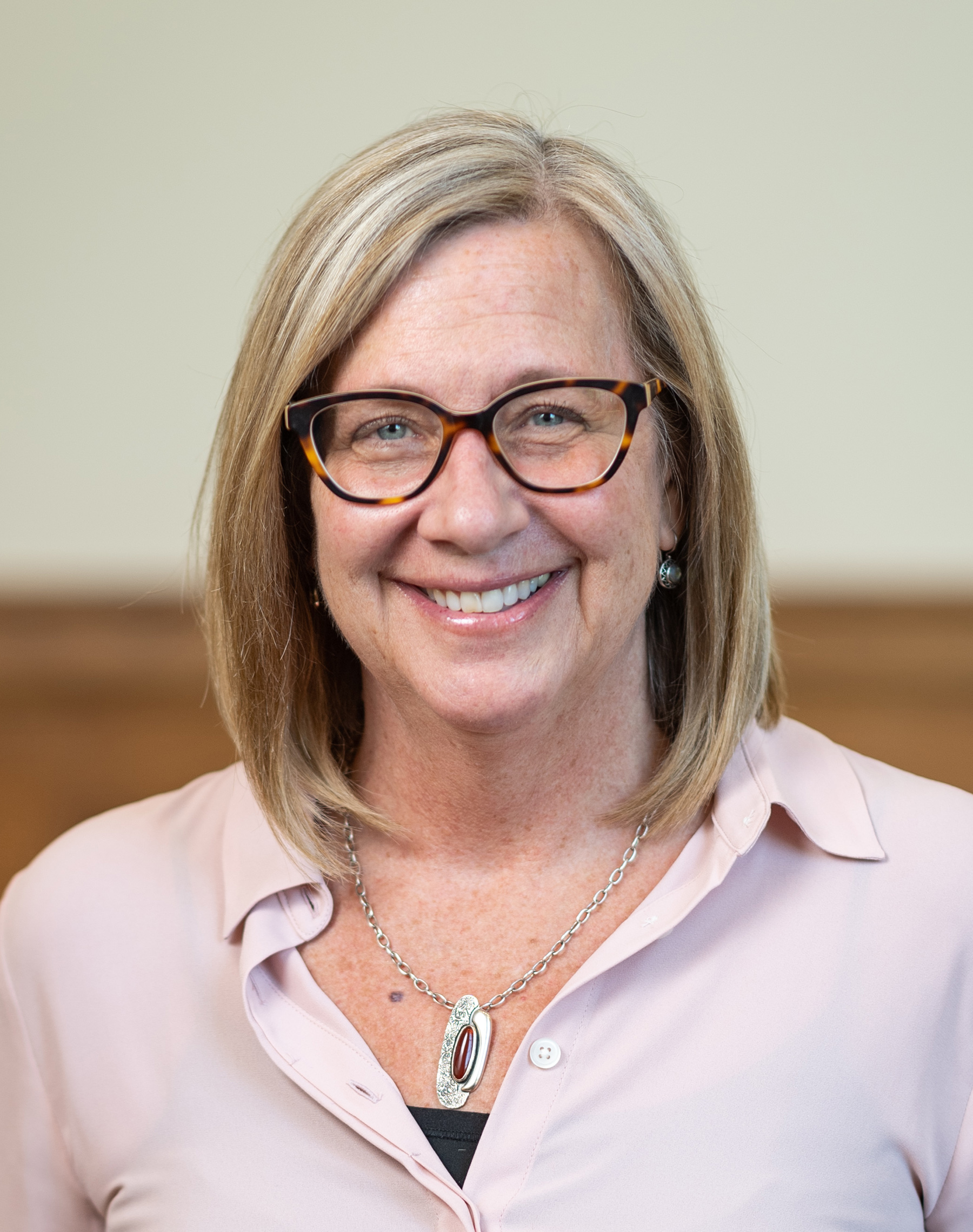 Paula M. Lantz recently retired from the University of Michigan where she held the titles of University Professor of Diversity and Social Transformation, James B. Hudak Professor of Health Policy, and Professor of Public Policy. She served in many administrative leadership roles over the course of her career including associate dean for academic affairs at the Ford School of Public Policy, chair of the department of health management and policy, and director of the Robert Wood Johnson Scholars in Health Policy Research program. As a social demographer and social epidemiologist, Professor Lantz’s scholarship, teaching, and policy engagement work focused on the role of public policy in population health improvement and social inequalities in health.
She is well-known and cited for her work on the key role that socioeconomic factors play in health disparities over the lifecourse and on how the “medicalization” of population health has contributed to an over-reliance on medical care policy as the primary solution for addressing population health problems. Her research has contributed to scholarly insights and been used by many local, state and federal health agencies and organizations. Professor Lantz is an elected member of the National Academy of Medicine and the National Academy of Social Insurance.
Stephanie Robert Mentoring Award
Roland J. Thorpe, Jr.
Johns Hopkins Bloomberg School of Public Health

Roland J. Thorpe, Jr., PhD, MS, is a Professor in the Department of Health, Behavior, and Society, Founding Director of the Program of Men’s Health Research in the Hopkins Center for Health Disparities Solutions (HCHDS), Deputy Director of HCHDS, and Co-Director of the Johns Hopkins Alzheimer’s Disease Resource Center for Minority Aging Research at Johns Hopkins Bloomberg School of Public Health. He was the Co-Director of the Obesity Health Disparities PRIDE Program. He is the inaugural Associate Vice Provost of Faculty Diversity.
Dr. Thorpe is a social epidemiologist whose research focuses on the association of how social, behavioral, and structural determinants of health impact cognitive, functional, and physical health outcomes among African Americans with a focus on men across the adult life course. Dr. Thorpe serves as multiple principal investigator (MPI) on several NIA funded grants and is a MPI of AIM-AHEAD with a focus on increasing the participation and engagement of the researchers and communities that are currently not apparent in AI/ML modeling and applications through mutually beneficial partnerships. He participates in several training programs designed to develop scholars across career stages with a focus on early career investigators. He is a past recipient of the Johns Hopkins School of Public Health Advising, Mentoring, and Teaching Recognition Award, the inaugural annual 2018 NHLBI OHD PRIDE Roland J. Thorpe, Jr. mentoring award, recipient of the 2020 Minority Issues in Gerontology Outstanding Mentorship Award, and the 2020 JHBSPH Dean’s Award of Distinction in Faculty Mentoring. Dr. Thorpe is also the Editor in Chief of Ethnicity & Disease, Associate Editor for Innovation in Aging, Journal of Gerontology: Medical Sciences, and American Journal of Men’s Health.
The Milbank Quarterly Early Career Award
Catherine K. Ettman
Johns Hopkins University Bloomberg School of Public Health
 Dr. Catherine K. Ettman is an Assistant Professor in the Department of Health Policy and Management at the Johns Hopkins University Bloomberg School of Public Health. Her work explores population mental health, assets that shape mental health and health services use, and policies across sectors that can improve health. She is the co-editor of Urban Health (Oxford University Press, 2019) and Migration and Health (University of Chicago Press, 2022). Dr. Ettman received her PhD in Health Services Research at Brown University School of Public Health and studied public policy at Princeton University.
Health Equity Award
Lindsay Fernandez-Rhodes
Pennsylvania State University
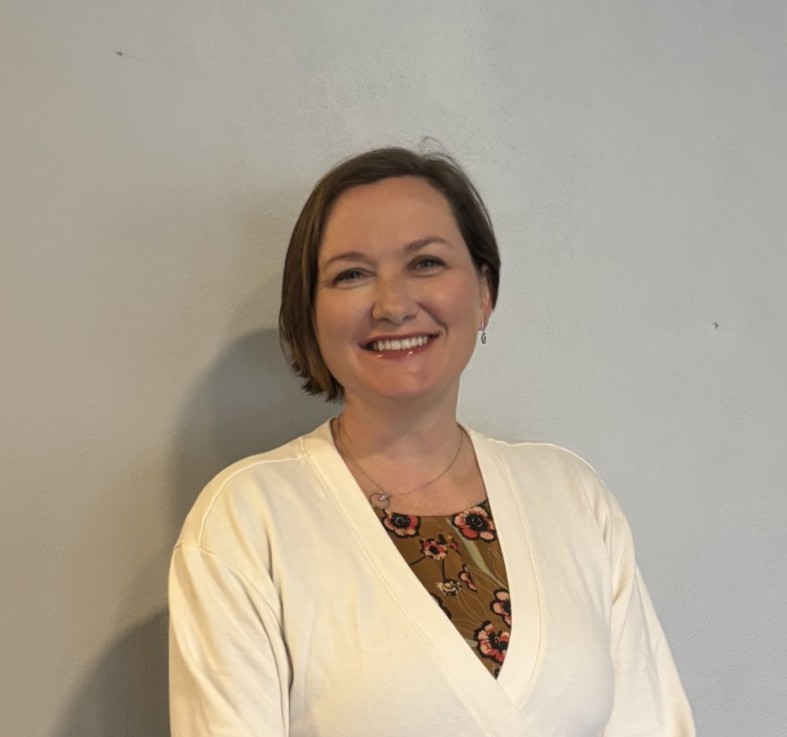 Dr. Fernández-Rhodes is a trained epidemiologist with experience in the areas of Genetic, Epigenetic, and Social Epidemiology. Her interdisciplinary research program seeks to 1) elucidate the complex etiology of chronic diseases, and 2) identify drivers of health disparities in the United States, both across the life course and across generations. To this aim, she leads a vibrant lab that conducts bio-psychosocially integrated studies of reproductive and cardiovascular traits in under-studied and marginalized populations, such as United States Hispanic/Latino immigrants and their families. They use a variety of traditional epidemiologic and family-based genetic methods to describe the intergenerational patterning of genetic, epigenetic and societal risk factors and their cumulative impact on health across the life course.
IAPHS Student Award
Rui (Zoe) Huang
University at Buffalo, SUNY
 Dr. Huang is a medical sociologist and social demographer. Her research investigates social determinants and consequences of chronic pain at the individual, interpersonal, and macro levels. Her work also explores how divergent sociopolitical and cultural contexts shape health and health inequalities across the globe.
Syracuse University, Maxwell Health Research Network, Postdoctoral Award
Emily Dore
Harvard School of Public Health
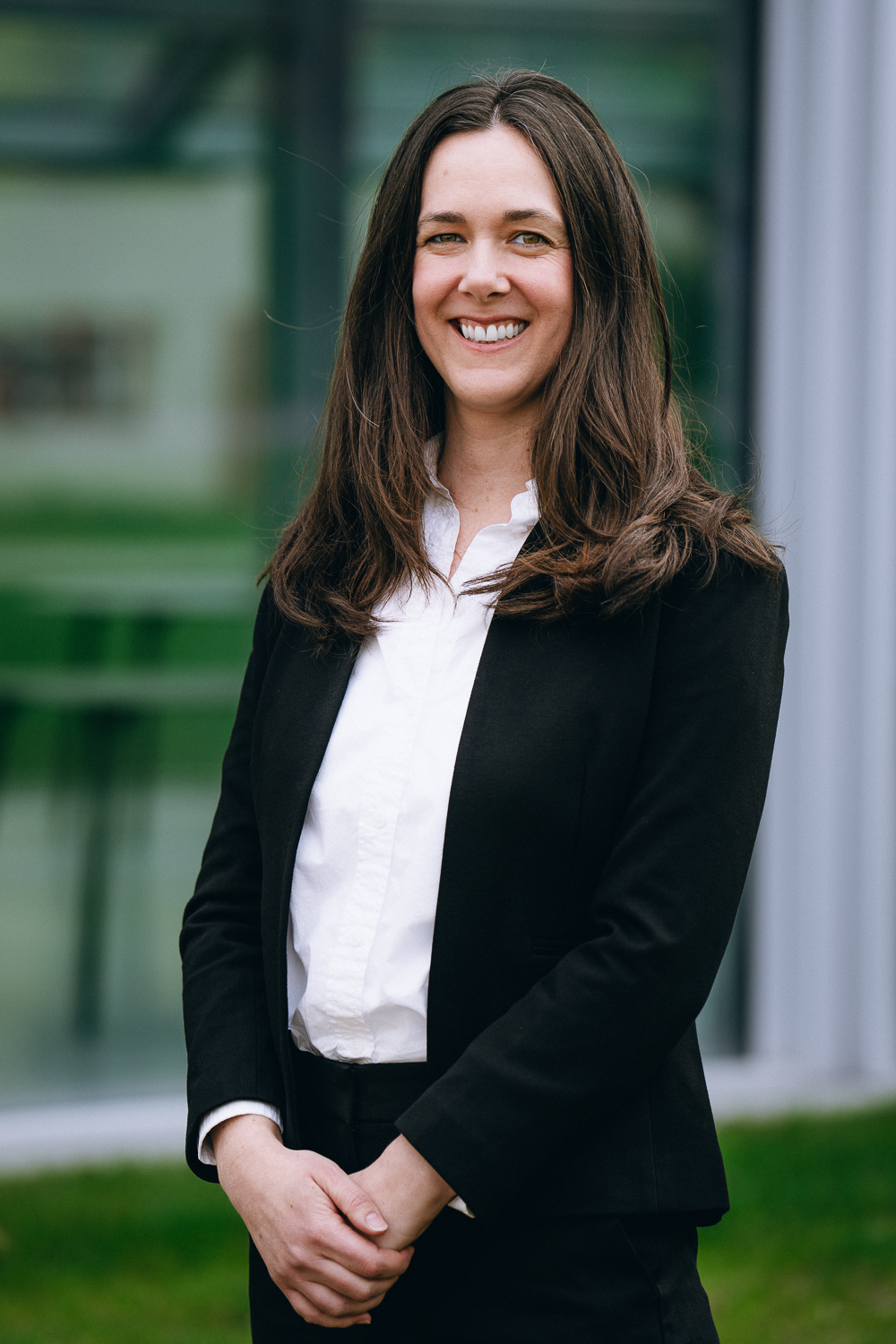
Emily Dore is a postdoctoral research fellow with the Social Policies for Health Equity Research Center at the Harvard School of Public Health. Dr. Dore’s work examines the macrolevel determinants of health that shape the contexts in which we live, and the resulting opportunities for good health and risk factors for poor health. She studies state-level structural oppression, including structural sexism and structural classism, as well as the health effects of safety net policies, like the Temporary Assistance for Needy Families program. In her work, she uses quasi-experimental techniques to examine the health effects of administrative burdens within these safety net programs, which shape access to program benefits and can create stigmatizing and stressful experiences. Through this research, Dr. Dore aims to inform policy that would improve population health and decrease health disparities by providing robust evidence on particular policy choices and their downstream health effects. Dr. Dore will join Tufts University School of Medicine in July 2026 as an Assistant Professor of Public Health and Community Medicine.
The Ida B. Wells Public Engagement Award
Tiffany Joseph
Northeastern University
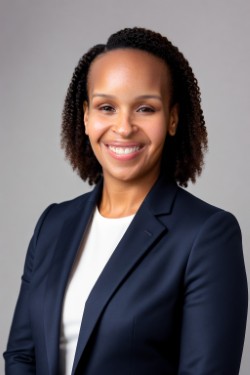 Dr. Tiffany Joseph is Professor of Sociology and International Affairs Program at Northeastern University. Her research and teaching interests explore race, ethnicity, and migration in the Americas; immigrants’ health and healthcare access; and the experiences of faculty of color in academia. Her most recent book, Not All In: Race, Immigration, and Healthcare Exclusion in the Age of Obamacare (Johns Hopkins University Press, 2025), explores how documentation status, race, and ethnicity influence the healthcare access of immigrants after comprehensive health reform.
She has received grants and awards from institutions such as the Ford Foundation, Institute for Citizens and Scholars, National Institutes of Health, and Robert Wood Johnson Foundation. She is also the author of Race on the Move: Brazilian Migrants and the Global Reconstruction of Race (Stanford University Press, 2015) and her work has been published in various peer-reviewed journals, national media outlets, and podcasts.

All comments will be reviewed and posted if substantive and of general interest to IAPHS readers.