

Share Your Win: Ryan Suk Begins Two New Projects
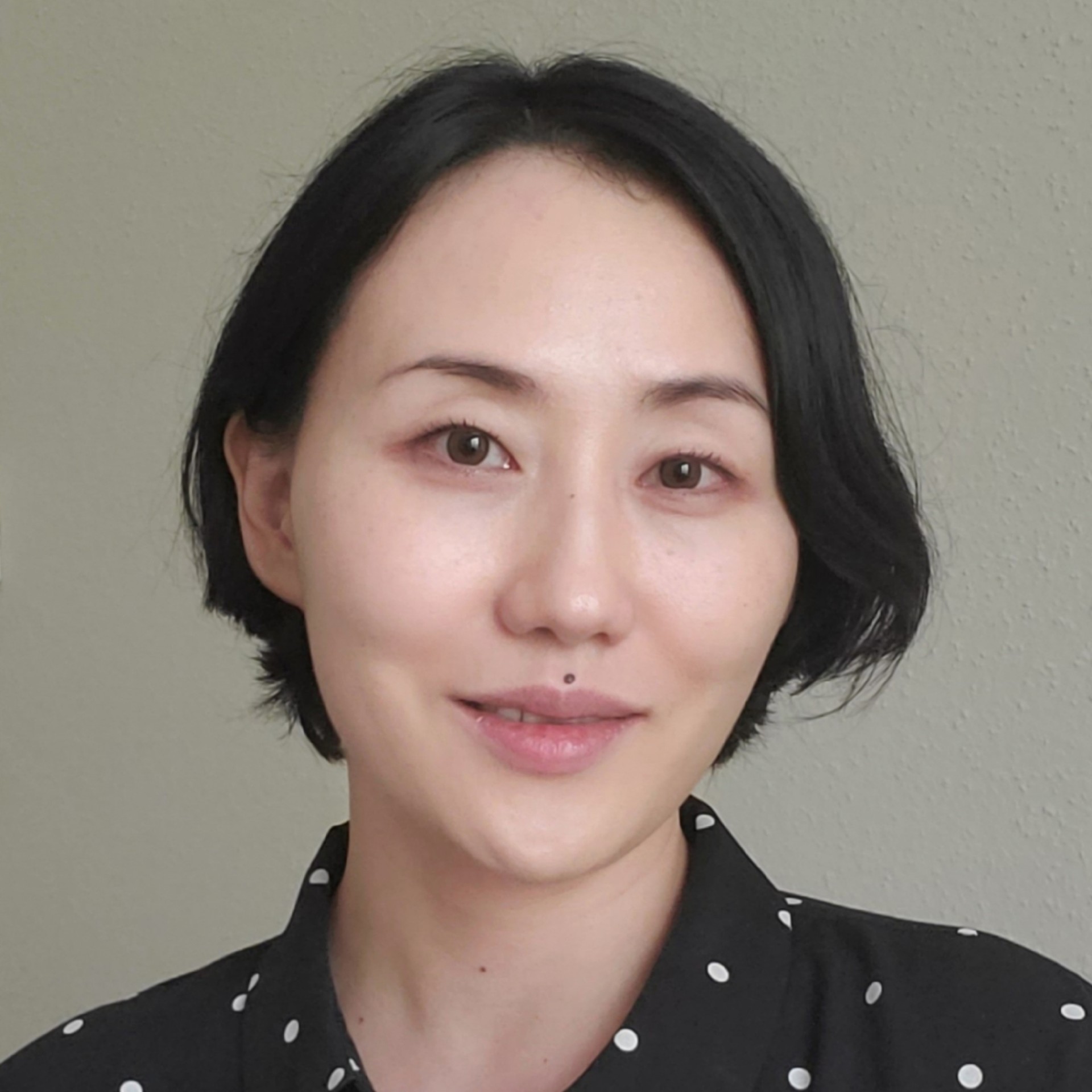
Ryan Suk
The Vaccines for Children Program and HPV Vaccination among Medicaid/CHIP Enrolled Children in Texas: Public Health Impact and Areas for Improvement
In this project, we use a mixed-methods approach that integrates advanced spatial modeling of claims and vaccine registry data with cognitive task analysis — informed focus groups to examine access to affordable HPV vaccination through the Vaccines for Children (VFC) program. We aim to quantify spatial accessibility to VFC providers and understand how eligible individuals navigate the informational and social barriers to obtaining affordable vaccination.
Why does this work matter right now?
What makes this work feel especially important right now is that HPV vaccination remains one of our clearest opportunities for cancer prevention, yet access is still uneven in practice. Coverage has stalled nationally, rural gaps remain, and even when children are eligible for free vaccination through VFC, families may still face real geographic, informational, and logistical barriers to actually getting vaccinated.
In a research environment that has become much more uncertain since 2025, especially for work related to vaccine uptake, this kind of support feel especially meaningful. It is a reminder that community-engaged prevention research still matters, especially when it focuses on making existing systems work better for the people who most need them.
Name of funder: American Cancer Society
Funding amount: $946,000
Optimizing Value and Outcomes of Palliative Radiation for Bone Metastases
This project uses real-world claims and EHR data to integrate causal machine learning with microsimulation to estimate heterogeneous treatment effects of advanced versus conventional palliative radiotherapy in metastatic cancer, characterize how comparative treatment benefit varies across patient profiles, and evaluate the value and equity implications of these treatment strategies using distributional cost-effectiveness analysis.
Why does this work matter right now?
This work is timely because metastatic cancer care increasingly offers multiple palliative radiotherapy options, from conventional regimens to more advanced approaches, but the key question is not just whether these treatments work on average. Recent evidence suggests advanced approaches can improve complete pain relief for selected patients, while access to radiotherapy is still shaped by socioeconomic factors. At a time when health equity and disparities research has been disproportionately disrupted since 2025, this project keeps necessary questions in view: who benefits most from more advanced versus conventional PRT, which option delivers the greatest value, and whether those benefits are reaching patients fairly.
Name of funder: The Donaghue Foundation
Funding amount: $550,500


All comments will be reviewed and posted if substantive and of general interest to IAPHS readers.